U.S. House Releases Digital Asset Tax Bill
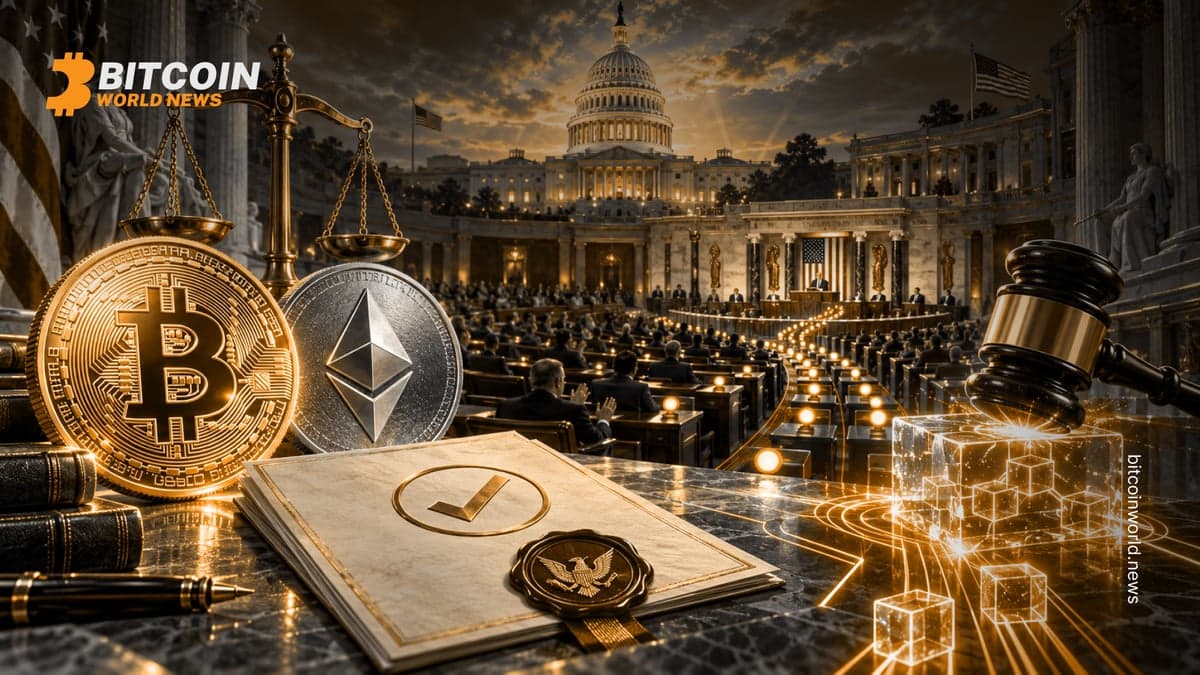
The U.S. House Ways and Means Committee has released a 114-page digital asset tax bill that could significantly reshape how Bitcoin and other cryptocurrencies are treated under U.S. tax law.
The legislation, titled the Digital Asset Tax Certainty Act, was introduced ahead of a Ways and Means Committee markup scheduled for September 16. The bill covers a wide range of issues, including small digital-asset fees, gain and loss accounting, stablecoins, lending, wash-sale rules, mining, staking and broker requirements.
The proposal is particularly significant for Bitcoin users because current U.S. tax rules can treat even small crypto transactions as taxable dispositions, creating substantial reporting requirements for everyday users.
However, the legislation remains a proposal. A committee markup would be an important step, but it would not mean the bill has become law.
$10 De Minimis Exception Could Reduce Bitcoin Tax Burden
One of the bill's most notable provisions would establish a $10 de minimis exception for certain network and transaction fees.
Under the proposal, no gain or loss would be recognized when digital assets are disposed of to pay a qualifying network fee or transaction fee of no more than $10. The provision also covers certain brokerage, trading and liquidity fees associated with digital-asset transactions.
The bill would exclude certain professional users and people who made more than 5,000 digital-asset transfers during the preceding tax year from the general exception.
For Bitcoin users, the change could reduce the administrative burden associated with small transactions and network fees.
The Ways and Means Committee has previously argued that requiring separate tax reporting for routine digital-asset transactions creates unnecessary paperwork and discourages the use of crypto for everyday commerce.
Bitcoin Mining and Staking Could Receive Clearer Rules
Another major section addresses the tax treatment of mining and staking rewards.
The legislation would establish specific rules for determining the source and character of income generated through these activities. It also addresses digital-asset staking through investment trusts.
Mining is especially relevant to Bitcoin because miners receive newly created BTC and transaction fees for securing the network.
Clearer rules could make it easier for miners and businesses involved in digital-asset infrastructure to determine when and how income should be recognized.
The Ways and Means Committee has previously identified mining and staking as areas where existing tax rules create uncertainty for taxpayers.
Wash-Sale Rules Could Be Extended to Crypto
The bill would also apply existing wash-sale rules to traded digital assets.
Under the proposal, digital assets would be brought within tax anti-abuse rules that already apply to comparable traditional financial assets. The legislation also addresses constructive-sale rules and other provisions governing gains and losses.
This could have a direct impact on active Bitcoin traders.
Currently, the tax treatment of crypto has differed in important ways from the treatment of traditional securities. Extending wash-sale rules to digital assets could limit strategies involving the rapid sale and repurchase of BTC or other traded tokens for tax purposes.
The change would therefore provide greater parity between digital assets and traditional financial markets, but could also reduce certain tax-planning strategies available to crypto traders.
Stablecoins and Digital Asset Transactions
The proposed legislation goes beyond Bitcoin and includes provisions covering U.S. dollar stablecoin transactions, digital-asset lending and other activities.
Its structure is designed to address what lawmakers describe as gaps between digital assets and traditional financial instruments.
The bill includes provisions for lending transactions, dealers and traders of widely traded digital assets, digital-asset trading safe harbors and charitable contributions.
This broader approach could give the U.S. crypto market a more comprehensive tax framework instead of relying primarily on rules originally designed for conventional property transactions.
New Broker and Reporting Requirements
The proposal also includes a section dedicated to digital-asset broker requirements.
At the same time, it would establish a voluntary disclosure program and direct the Treasury Department to conduct further studies and issue additional rules where necessary.
That combination could create a clearer compliance framework for exchanges, brokers and digital-asset businesses while giving taxpayers additional mechanisms to address previous reporting issues.
For Bitcoin companies operating in the United States, greater certainty could eventually reduce some of the ambiguity surrounding tax reporting and compliance.
Committee Vote Is the Next Major Test
The Ways and Means Committee's September 16 markup represents the next major step for the proposal.
The committee has already spent months examining digital-asset taxation. During its June hearing, Chairman Jason Smith said the existing framework creates uncertainty around mining and staking, unequal treatment compared with traditional financial assets and excessive paperwork for ordinary crypto transactions.
The committee's earlier legislative package included separate proposals covering digital-asset tax paperwork, mining and staking, charitable contributions, traditional tax parity, voluntary disclosures and anti-abuse rules.
The latest 114-page proposal combines many of those issues into a broader legislative framework.
Still, the committee markup is only one stage in the legislative process. The bill would need to advance through the House and Senate before reaching the president.
Bitcoin Regulation Enters a Broader Policy Phase
The timing is notable for Bitcoin and the broader digital-asset market.
U.S. lawmakers are simultaneously working on market-structure legislation, including the CLARITY Act, while the House Ways and Means Committee moves forward on tax policy.
The combination of market-structure and tax legislation could eventually give the U.S. digital-asset industry a much more defined regulatory framework.
For Bitcoin, clearer tax treatment could be particularly important as adoption expands among individuals, businesses, miners and institutional investors.
What the Bill Could Mean for Bitcoin
If enacted, the legislation could make several aspects of Bitcoin activity easier to manage from a tax perspective.
The potential $10 fee exception could reduce paperwork for small transactions. Clearer mining rules could provide greater certainty for Bitcoin miners, while expanded anti-abuse provisions could bring crypto taxation closer to traditional financial markets.
The bill could therefore represent a shift away from fragmented crypto tax treatment toward a more structured framework.
However, the final impact will depend heavily on how the legislation changes during the committee process and whether it ultimately passes both chambers of Congress.
Conclusion
The Digital Asset Tax Certainty Act represents one of the most significant recent attempts by U.S. lawmakers to establish a comprehensive tax framework for Bitcoin and other digital assets.
Its proposed provisions covering $10 de minimis fees, Bitcoin mining, staking, wash sales, lending and broker requirements could affect millions of U.S. digital-asset users and businesses.
The immediate focus is now on the September 16 Ways and Means markup. The committee's action could determine whether the proposal moves closer to a full House vote.
For Bitcoin, the bigger significance is clear: U.S. policymakers are increasingly moving from debating whether digital assets need specific rules toward determining exactly what those rules should look like.