This Week in Crypto Law: CFTC Approves TLD Markets as UK Finalizes Rules
Crypto regulation advanced this week as the CFTC designated TLD Markets as a contract market on November 16, the United Kingdom formalized rules refining its crypto and stablecoin perimeter, U.S. authorities pursued two fraud cases, and Hong Kong moved to expand licensing for virtual-asset services. The moves reshape market infrastructure and compliance expectations.
Crypto regulation tightened across major markets this week, with U.S., U.K., and Hong Kong authorities advancing market structure, licensing, and enforcement. On November 16, the U.S. Commodity Futures Trading Commission designated TLD Markets, Inc. as a contract market, the United Kingdom finalized rules refining its crypto and stablecoin perimeter, U.S. officials pursued two distinct crypto-related fraud cases, and Hong Kong proposed broader licensing for virtual-asset services.
The actions mark a coordinated turn toward clearer rulemaking and stricter oversight, touching derivatives trading infrastructure, payment stablecoins, service-provider permissions, and fraud deterrence within a single week ending November 22, 2026.
Why does the CFTC designation of TLD Markets matter?
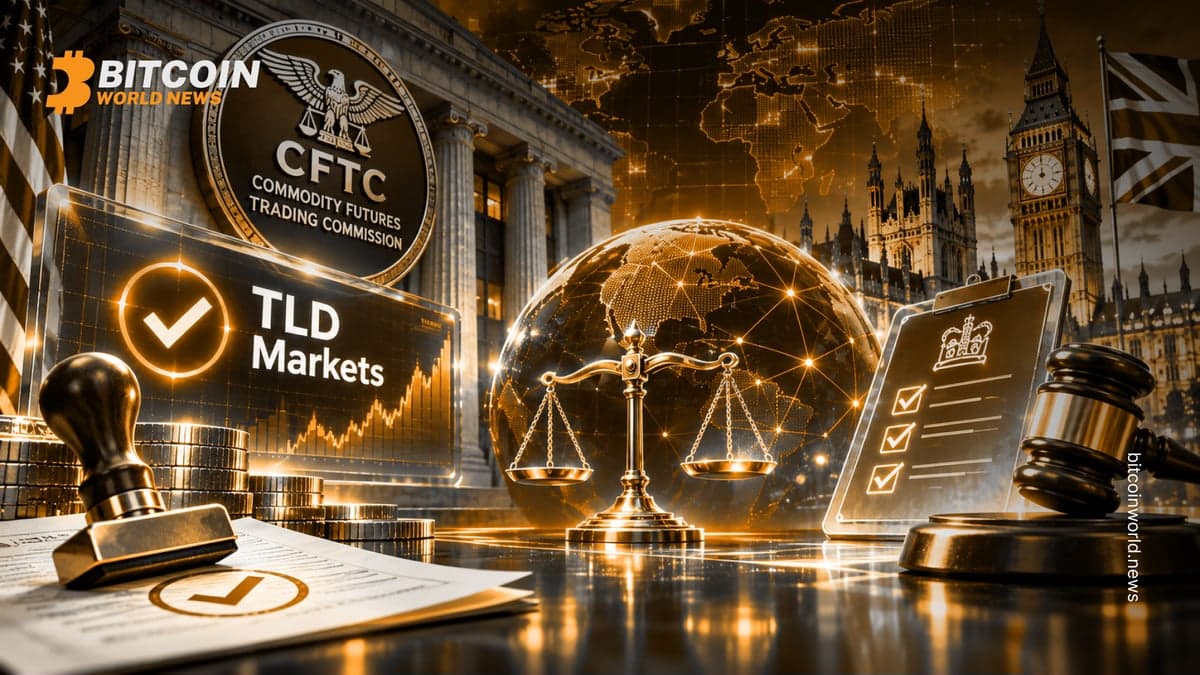
The designation brings a blockchain-based derivatives venue under full U.S. contract market oversight, signaling regulatory acceptance of on-chain market infrastructure. By approving TLD Markets, Inc. as a designated contract market on November 16, the CFTC extended its supervised perimeter to a digital-first exchange, aligning crypto derivatives activity with established compliance controls.
Sponsored
The move completes an important layer of regulated U.S. derivatives infrastructure for blockchain-native venues. For institutional participants, a contract market designation creates clearer rulebooks around trading, surveillance, reporting, and governance. For the broader cryptocurrency market, supervised execution venues can reduce counterparty uncertainty and facilitate risk management, potentially encouraging greater hedging activity in digital assets tied to on-chain markets.
How did the U.K. and Hong Kong change the licensing landscape?
The United Kingdom formalized regulations that refine the crypto and stablecoin perimeter, clarifying which activities fall under supervision and how payment tokens integrate within the financial framework. Hong Kong proposed expanding licensing obligations to additional virtual-asset services, extending oversight beyond existing categories to capture more providers under its supervisory regime.
Together, these steps point to a converging approach: define covered activities, establish authorization thresholds, and align service providers with conduct, prudential, and consumer-protection standards. For firms operating cross‑border, parallel licensing in the U.K. and Hong Kong raises the bar on compliance planning, product scoping, and internal controls, while offering a clearer path to operate within major financial centers.
Jurisdiction
Action
Entity/Scope
Date/Timing
United States
Designated contract market
TLD Markets, Inc.
November 16, 2026
United Kingdom
Formalized regulations
Crypto and stablecoin perimeter
Week of November 22, 2026
Hong Kong
Proposed expansion
Virtual-asset service licensing
Week of November 22, 2026
United States
Enforcement actions
Two crypto-related fraud cases
Week of November 22, 2026
What do the U.S. fraud actions signal for crypto enforcement?
Pursuing two different forms of crypto-related fraud in the same week underscores a focus on deterrence across varied schemes. The twin cases highlight that enforcement is not confined to a single misconduct type, signaling continued scrutiny of investor protection, market integrity, and truthful disclosures in digital-asset activity.
While case-specific details were not disclosed here, the breadth of activity suggests authorities are targeting both direct investor scams and more complex operational misrepresentations. For market participants, the takeaway is clear: compliance controls and transparent practices are increasingly non‑negotiable across custody, trading, and token-related services as regulators intensify coordination.
What should crypto firms do next?
Firms should assess the U.S. derivatives pathway in light of the TLD Markets designation, map the U.K.’s refined crypto and stablecoin perimeter to current offerings, and prepare for expanded licensing in Hong Kong. Immediate priorities include gap analyses, control enhancements, and documented policies that anticipate multi-jurisdictional supervision over the next 1–2 quarters.
With contract market oversight now encompassing a blockchain-based exchange and major financial hubs clarifying permissions, proactive engagement with licensing, surveillance, and disclosure standards will be critical. Alignment today can reduce remediation costs tomorrow as regulators deepen rulemaking and enforcement across digital-asset markets.
This article is for informational purposes only and does not constitute financial, investment, or trading advice. Cryptocurrency markets are highly volatile and carry significant risk. Always conduct your own research (DYOR) and consult a qualified financial advisor before making investment decisions. Past performance does not guarantee future results.
Share
The crypto brief, in your inbox
BTC, markets, and the stories that moved crypto — daily, no noise.