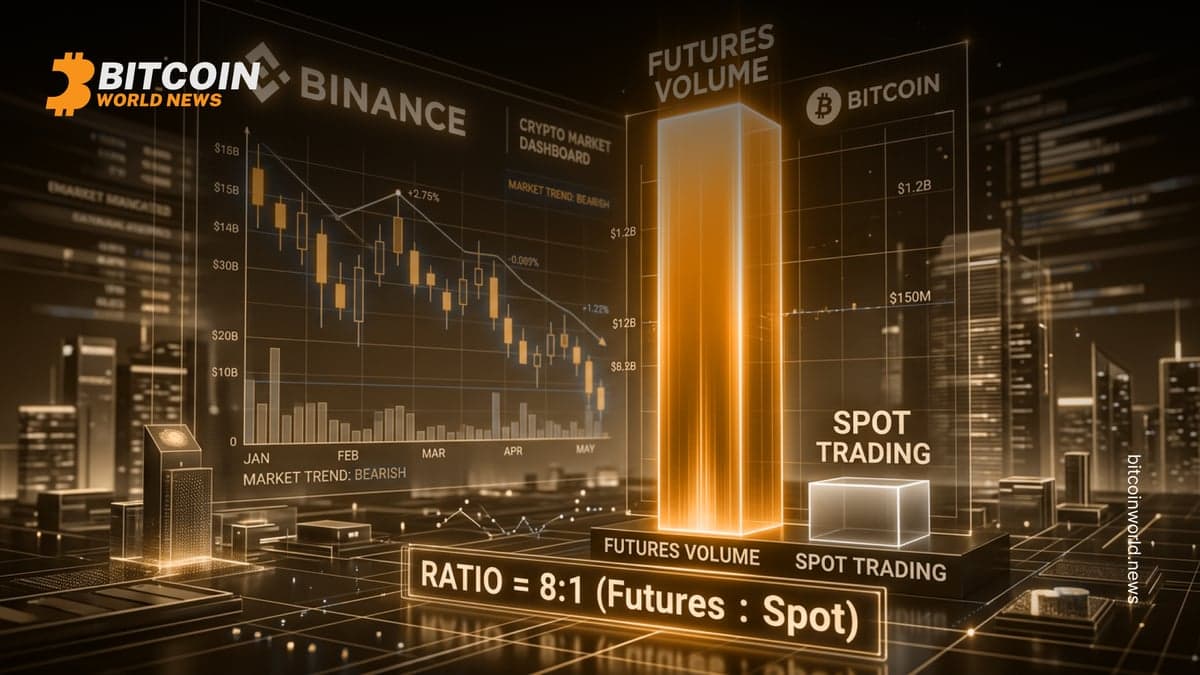
Bitcoin futures trading on Binance has reached a record level relative to spot activity, highlighting a growing shift toward leveraged and derivatives-based trading as investors remain cautious about the cryptocurrency's next major move.
Data from CryptoQuant shows that Binance's Bitcoin futures-to-spot volume ratio has climbed to 7.82, meaning futures activity is now nearly eight times larger than spot trading.
Daily futures volume reached approximately $57.82 billion, compared with just $6.08 billion in spot volume.
Binance Records Widest Bitcoin Futures-Spot Gap
The latest figures represent the largest divergence between Bitcoin's spot and futures markets recorded on Binance.
According to CryptoQuant data, the futures-to-spot ratio has reached 7.82.
CryptoQuant contributing analyst Arab Chain said the shift indicates that traders are increasingly turning to futures markets for leverage, hedging and short-term strategies.
The difference is particularly notable because spot trading represents direct buying and selling of Bitcoin, while futures allow traders to take leveraged positions without necessarily owning the underlying asset.
Spot Bitcoin Demand Continues to Fade
The record futures-to-spot ratio comes against a backdrop of weakening spot demand.
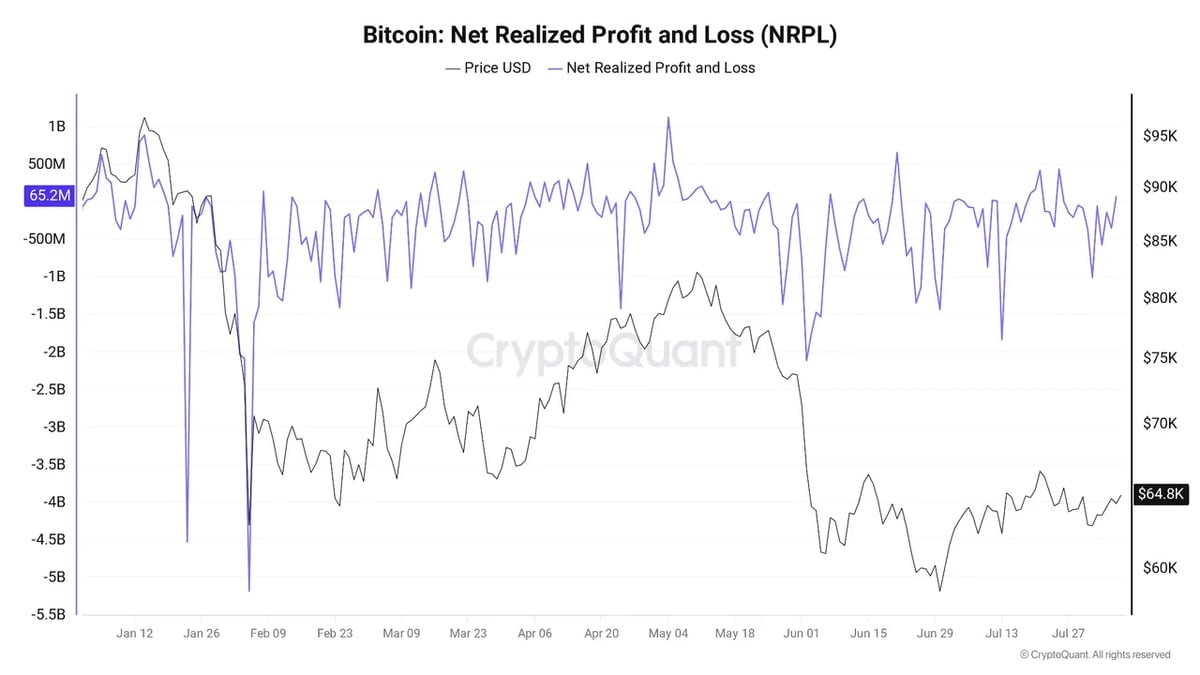
CryptoQuant's rolling 30-day data shows that both spot and derivatives activity have declined, although the decline in spot demand has been more consistent since June.
Bitcoin has spent roughly two months trading within a relatively narrow range above $60,000, reducing the incentive for some spot traders to enter new positions.
The lack of a decisive breakout has also contributed to lower activity from both buyers and sellers.
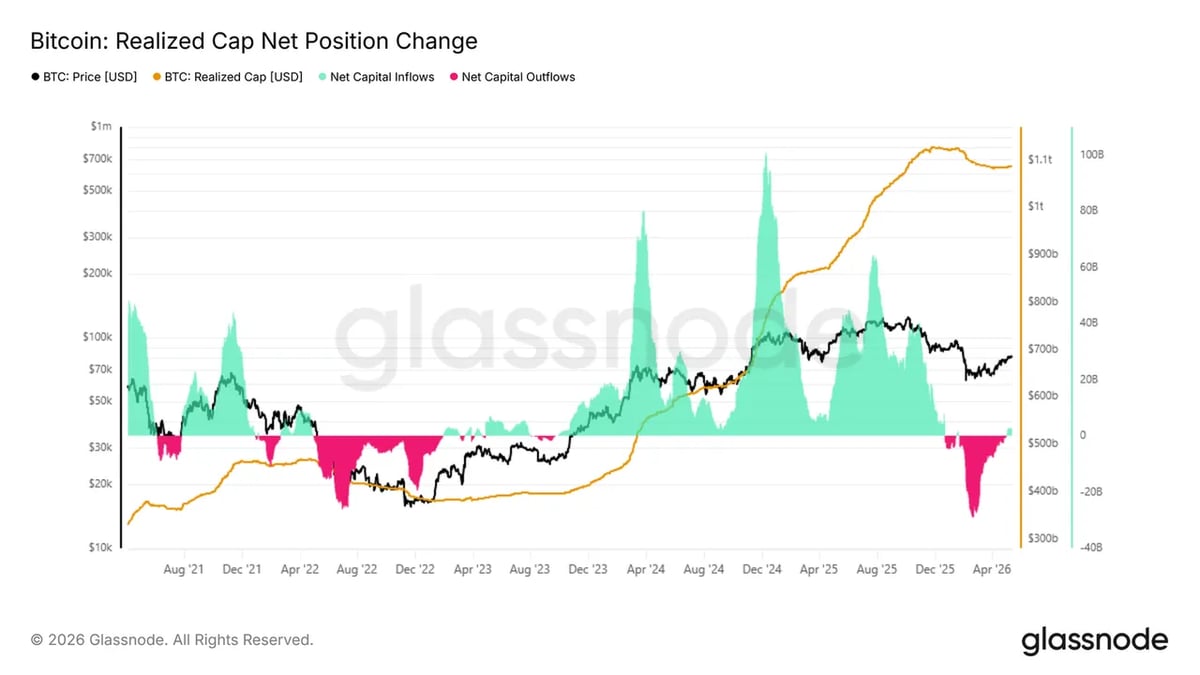
CryptoQuant CEO Ki Young Ju previously noted that Bitcoin's spot demand was weakening while futures demand remained positive, although derivatives activity was still below the levels seen during the previous recovery.
Ki Young Ju's X post
Why Futures Are Taking a Larger Share of Trading
The growing gap between spot and derivatives volumes suggests that traders are increasingly using futures to navigate Bitcoin's current uncertain market environment.
Futures can be used for several purposes, including:
Leverage: Traders can gain larger exposure with less capital.
Hedging: Investors can protect portfolios against potential price declines.
Short-term speculation: Traders can profit from both upward and downward price movements.
Risk management: Institutional participants can manage exposure without immediately buying or selling spot Bitcoin.
However, a futures-heavy market can also increase the risk of sharp price movements when leveraged positions are liquidated.
Bitcoin's Narrow Trading Range Keeps Traders Cautious
Bitcoin's prolonged consolidation has contributed to the decline in spot activity.
After previously experiencing significant realized losses when BTC fell toward the $60,000 region, subsequent tests of the range have generated less trading volume.
This suggests that market participants may be waiting for a clear directional signal before committing significant capital to spot positions.
The current environment has therefore produced an unusual market structure: derivatives activity remains substantial, but direct spot demand is comparatively weak.
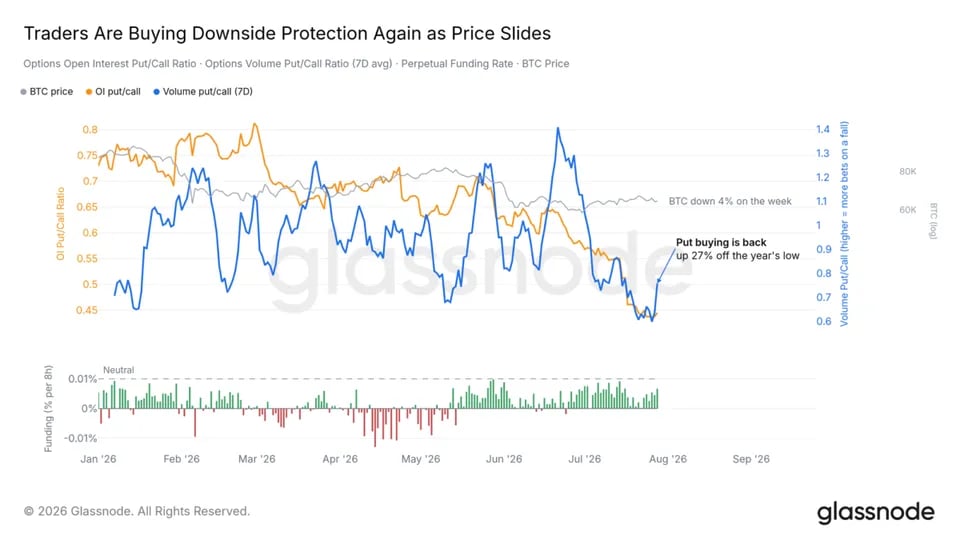
Options Traders Prepare for Potential September Downside
Derivatives positioning also suggests that traders are preparing for the possibility that Bitcoin's current range could eventually break lower.
Bitfinex Research recently observed that trading volumes were concentrated around the middle of Bitcoin's range, while activity became thinner near the upper and lower boundaries.
Bitfinex Research analysis
The lack of strong taker volume indicates that neither buyers nor sellers currently have enough conviction to force a decisive breakout.
Options traders appear to expect this rangebound behavior to continue through August. However, positioning for September suggests a greater preference for hedging against a downside move.
Bitcoin gained approximately 7.4% in July, but traders are increasingly watching whether that recovery can translate into a sustained breakout or whether the market will resume its broader corrective trend.
Futures Dominance Could Increase Bitcoin Volatility
The record futures-to-spot ratio does not necessarily mean Bitcoin is about to fall.
Instead, it shows that a growing proportion of market activity is taking place through derivatives rather than direct spot trading.
That distinction matters because futures markets can amplify price movements. If Bitcoin breaks decisively in either direction, large leveraged positions could be forced to close, potentially accelerating the move.
A sustained increase in open interest combined with weak spot demand could therefore leave Bitcoin vulnerable to sudden volatility.
What Traders Should Watch Next
Several factors could determine Bitcoin's next major move:
Spot demand: A recovery in spot buying would provide stronger confirmation of sustainable demand.
Futures positioning: Excessive leverage could increase the risk of liquidation-driven volatility.
Trading volume: A breakout accompanied by rising volume would provide stronger confirmation than a low-volume move.
Options positioning: September options activity could offer clues about where professional traders expect Bitcoin's range to resolve.
The $60,000 region: Bitcoin's ability to maintain support above this area remains important for the broader market structure.
Conclusion
Bitcoin's futures market on Binance has reached a new extreme, with daily derivatives volume nearly eight times larger than spot trading.
The 7.82 futures-to-spot ratio, combined with approximately $57.82 billion in futures volume versus $6.08 billion in spot activity, highlights how heavily traders are relying on derivatives while direct Bitcoin demand remains subdued.
For now, neither bulls nor bears have established clear control. If spot demand returns alongside rising volume, Bitcoin could regain momentum. However, continued reliance on leveraged futures while spot activity weakens could make the market increasingly sensitive to sudden liquidations and a potential range breakdown.