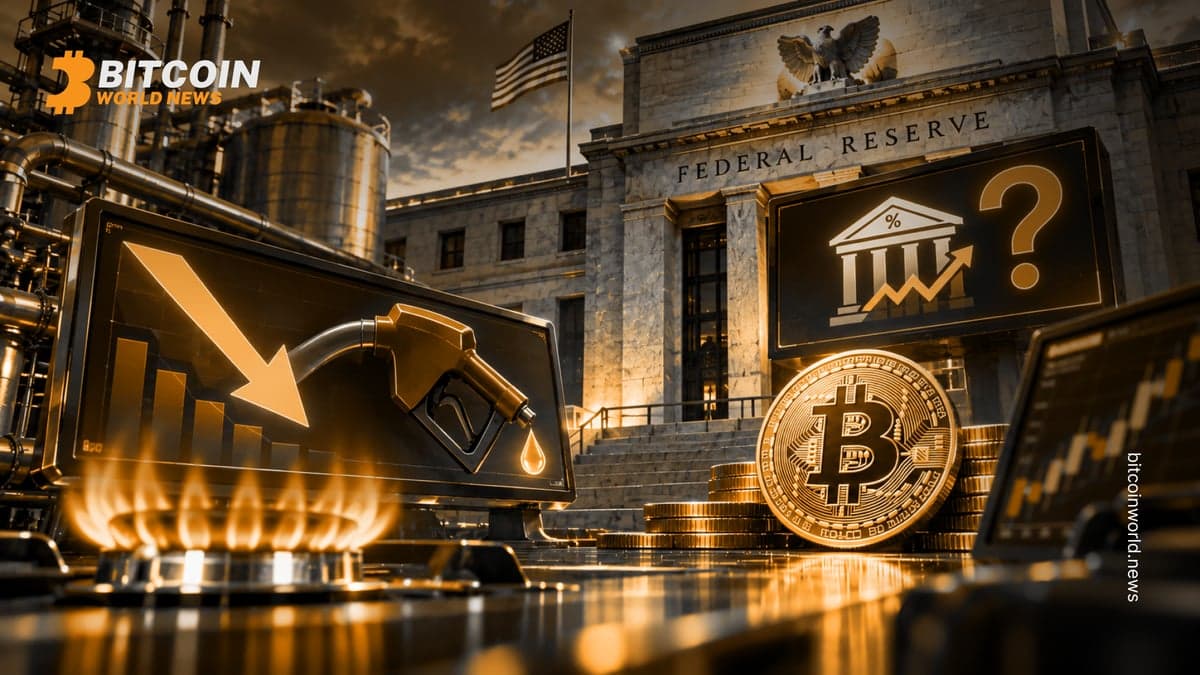
Federal Reserve plans to keep tightening policy are drawing criticism from market observers who say the rationale leans too heavily on backward-looking inflation indicators while gasoline and broader energy prices are already sliding, pointing to easing price pressures ahead.
That tension between lagging data and real-time energy moves is sharpening debate over whether additional rate increases are warranted, with critics warning that policy risks overtightening if it ignores the latest shifts in fuel costs.
Why are Fed hike plans facing new pushback?
Critics argue the central bank is emphasizing backward-looking inflation gauges even as gasoline and energy prices fall, suggesting current price pressures are easing. In their view, relying on lagging data risks tightening into a cooling backdrop, increasing the chance of unnecessary restraint as energy costs feed through to headline inflation.
The argument centers on the timing mismatch between official inflation reports and faster-moving market data. Fuel costs filter into transportation, manufacturing, and consumer spending with a delay. If those inputs are already declining, headline readings may soften in coming prints, reducing the need for additional rate hikes. Skeptics say that calls for further tightening underweight these dynamics and could amplify downside risks to growth.
What would sliding energy costs mean for the inflation outlook?
Falling gasoline and broader energy prices can relieve headline inflation and moderate cost pressures across the supply chain, potentially easing the need for further rate increases. If these declines persist, they could show up in upcoming inflation releases and temper the policy case for additional tightening.
Lower pump prices typically ripple into freight, airfares, and goods distribution, while easing household budgets. If that trend endures, it may also support consumer sentiment and stabilize demand. The key question for policymakers is duration: a brief pullback may have limited impact, while a sustained downswing could materially cool measured inflation and narrow the window for further hikes.
For rate-setters, the balance now hinges on weighing lagging inflation prints against more contemporaneous energy signals. If the latest energy declines continue, the central bank’s tightening bias could face stronger scrutiny heading into the next policy meetings.